Introduction
High-risk workers often compare insurance premiums with colleagues who appear to do the same job. When one worker pays significantly more than another, the difference can feel confusing or unfair.
If the work is the same, why isn’t the price?
In reality, pricing differences among high-risk workers are common, even when job titles match. Insurance premiums are not based on titles alone. They are shaped by exposure, environment, history, and coverage structure.
This guide explains why high-risk job insurance premiums can differ between workers who appear to have the same job, and how those differences fit into the broader risk job insurance system.
Why Job Titles Are Not Pricing Units
Job titles are designed for payroll and organization, not for measuring risk.
Insurers do not price coverage based on what a role is called. They price based on what the work actually involves. Two workers may share the same title but perform very different tasks day to day.
This is why insurance pricing relies on job duties rather than labels. Titles provide a starting point, but they are not reliable indicators of exposure.
These pricing differences follow the same logic explained in our guide on why insurance costs more for high-risk jobs, where premiums are tied to exposure rather than titles.
Differences in Job Duties and Exposure
Even within the same job, exposure can vary.
One worker may:
-
Perform hands-on hazardous tasks daily
-
Operate heavy machinery
-
Work at height or in confined spaces
Another worker with the same title may:
-
Supervise rather than perform physical tasks
-
Work intermittently in hazardous areas
-
Spend more time in planning or monitoring roles
These differences directly affect injury likelihood and recovery complexity, which influences pricing.
Work Environment and Location Matter
Differences in environment and recovery timelines are reflected in global occupational injury and recovery data published by the International Labour Organization, which insurers use to model exposure.
Where work happens matters as much as what work is done.
Insurance pricing reflects differences between:
-
Controlled environments and unpredictable sites
-
Onshore and offshore locations
-
Urban settings and remote areas
A worker performing the same tasks in a controlled facility may face lower pricing than someone exposed to weather, transport risk, or delayed medical access.
Work History and Safety Record
Past experience also influences premiums.
Insurers consider:
-
Previous injuries or claims
-
Length of experience in hazardous roles
-
Familiarity with tasks and environments
A worker with a history of injuries may be priced differently than someone with a clean record, even if current duties are similar.
This does not imply fault. It reflects how past events inform future risk estimates.
Coverage Structure Choices Affect Price
Not all workers choose the same coverage structure.
Premiums change based on:
-
Benefit amount
-
Waiting periods before benefits begin
-
Definitions of disability or injury
-
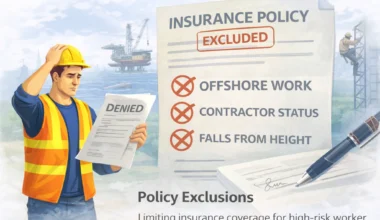
Presence of exclusions
Two workers may appear to have “the same insurance,” but small structural differences can produce meaningful price changes.
Lower premiums often reflect narrower protection rather than lower risk.
This is one reason high-risk job insurance premiums sometimes look unequal even when coverage seems similar.
Premium variation reflects the same underwriting assessment of medical and occupational exposure described in how insurers underwrite high-risk jobs and assess risk.
Timing and Life Circumstances
Insurance pricing is also sensitive to timing.
Factors such as:
-
Age
-
Recent injuries or illnesses
-
Temporary changes in job duties
can influence premiums at the moment coverage is applied for or renewed. These factors may not be visible when workers compare prices informally.
Why Comparing Premiums Often Misleads
Premium comparisons rarely account for all variables.
Workers often compare:
-
Only the monthly cost
-
Without reviewing coverage structure
-
Without accounting for duty differences
Because many pricing factors are invisible, comparisons can create confusion even when pricing follows a consistent logic.
How Premium Differences Fit Into Risk Job Insurance as a System
Pricing differences are the result of the same system explained throughout risk job insurance.
Eligibility determines whether coverage can exist.
Underwriting defines how risk is structured.
Pricing translates that risk into cost.
We explain this system at a higher level in our guide on why insurance costs more for high-risk jobs, which shows how pricing fits into the broader insurance structure.
Differences in premiums reflect differences in exposure and structure, not arbitrary decisions.
Conclusion: Different Prices Reflect Different Risk Profiles
Two high-risk workers can share a job title and still pay different insurance premiums.
These differences exist because insurers price exposure, environment, history, and coverage structure, not labels. Understanding these variables helps reduce frustration and allows workers to evaluate insurance based on protection rather than comparison.
When you understand how high-risk job insurance premiums are calculated, pricing begins to feel logical rather than unfair.
When you step back, these pricing differences are part of a larger system — the way insurance adapts when work becomes more dangerous.
You can see how premiums, underwriting, eligibility, and claims all connect in our main guide, Risk Job Insurance Explained.