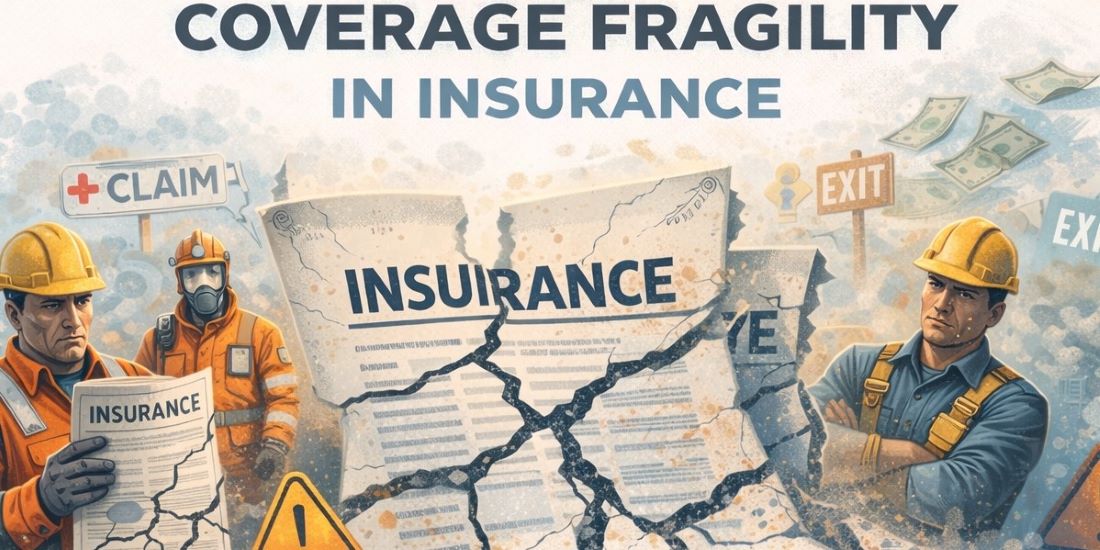
Coverage fragility refers to the tendency of insurance coverage for high-risk workers to lapse, narrow, or disappear when conditions change, even if the worker has not committed any wrongdoing.
It is not about bad behavior.
It is about an unstable insurance design.
High-risk coverage often looks solid until something shifts.
What Coverage Fragility Means
In stable insurance markets, coverage persists through:
-
Job changes
-
Location changes
-
Minor duty changes
-
Claims
In high-risk markets, small changes can trigger:
-
Re-underwriting
-
Re-classification
-
New exclusions
-
Non-renewal
That sensitivity is coverage fragility.
Why High-Risk Coverage Is Less Stable
High-risk insurance exists inside:
-
Small risk pools
-
Specialty markets
-
Reinsurance-dependent structures
These systems cannot absorb volatility.
So insurers build policies that are:
-
Narrow
-
Conditional
-
Easy to cancel or change
The goal is not permanence.
The goal is damage control.
Because high-risk workers sit inside segmented markets created by risk pool segmentation, their coverage is far more sensitive to losses and market shifts.
How Fragility Affects Workers
Insurance market volatility and insurer exits are tracked by agencies such as AM Best, which rate carrier financial stability and underwriting risk.
Coverage fragility means:
-
A safe year does not guarantee renewal
-
A small job change can void terms
-
A single claim can trigger restrictions
-
Market exits can end coverage entirely
Workers experience this as unpredictability.
Insurance experiences it as risk management.
A single claim that runs into claims friction can be enough to trigger re-underwriting, exclusions, or non-renewal.
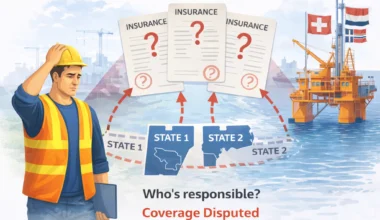
This kind of coverage fragility is especially common in offshore workers’ compensation cases, where a single injury claim can expose jurisdictional conflicts, liability disputes, or policy limits that cause coverage to narrow or fail.
Why This Feels Unfair
High-risk workers assume insurance is a contract.
In reality, for them, it is a temporary risk tolerance.
When tolerance drops, coverage breaks.
In the Risk Job Insurance System
Coverage fragility explains why:
-
High-risk workers lose policies suddenly
-
Terms change without warning
-
Long-term stability is rare
It is one of the defining features of high-risk insurance markets.