Introduction: When Appeals Are Exhausted
Most insurance disputes for high-risk jobs begin earlier in the process, often because insurance claims are denied in high-risk jobs due to exclusions, definitions, or documentation gaps. For many high-risk workers, an insurance appeal feels like the final opportunity for fairness. Evidence is submitted, explanations are given, and time is invested in proving that a decision was wrong. When the appeal fails, frustration often turns into a different question:
What now?
At this stage, workers begin to hear new advice. File a complaint. Contact a regulator. Talk to a lawyer. Take legal action. Each option sounds like escalation, and escalation feels like progress.
In reality, escalation does not change how insurance works. It only moves the same decision through different enforcement channels.
This guide explains what happens when insurance disputes escalate in high-risk jobs, what complaints, regulators, and legal action can and cannot do, and why most disputes still end at the same boundary.
What an Insurance Dispute Actually Is
An insurance dispute is not a continuation of the appeal process.
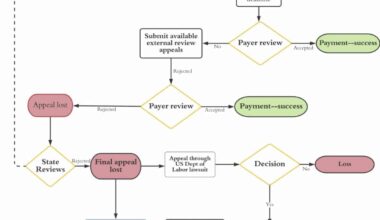
Appeals ask whether the insurer applied the policy correctly. Disputes ask whether the insurer followed required procedures and contractual obligations. The difference is subtle but important.
A dispute does not ask:
-
Whether the outcome was fair
-
Whether the injury was serious
-
Whether the worker deserves help
A dispute asks:
-
Whether the insurer followed the contract
-
Whether procedures were applied correctly
-
Whether legal or regulatory standards were met
Once a dispute begins, the focus shifts away from personal circumstances and toward documentation, definitions, and compliance.
This distinction becomes much clearer once workers understand why insurance appeals fail in high-risk jobs, where policy enforcement often replaces judgment or fairness.
Complaints to Insurers: What They Can and Can’t Do
Most insurers offer a formal complaint process after appeals fail. This step is often misunderstood.
What complaints can do
-
Trigger an internal review of process
-
Correct administrative or clerical errors
-
Clarify how a decision was reached
What complaints cannot do
-
Rewrite exclusions
-
Expand coverage definitions
-
Override underwriting decisions
-
Increase policy limits
In high-risk work, complaints rarely change outcomes because the original decision is usually contract-based rather than procedural. When a complaint fails, it does not mean the worker was ignored. It means the decision aligned with the policy as written.
This limitation reflects the same structural boundaries explained in how insurance appeals work for high-risk jobs, where review authority is intentionally narrow.
The Role of Insurance Regulators
After complaints fail, workers often turn to insurance regulators.
Regulators exist to oversee conduct, not outcomes. Their role is to ensure insurers:
-
Follow licensing rules
-
Apply policies consistently
-
Avoid deceptive or unlawful practices
They do not:
-
Decide individual claims
-
Interpret contracts in favor of workers
-
Order insurers to pay excluded claims
In high-risk jobs, regulatory review typically confirms that the insurer enforced the contract correctly. This outcome often feels disappointing because regulators feel powerful, but their authority is intentionally limited.
This regulatory structure reflects the same risk realities documented by organizations such as the International Labour Organization, where hazardous work environments involve higher injury severity and longer recovery periods. Insurance systems respond by enforcing boundaries strictly rather than flexibly.
Legal Action: When Lawsuits Actually Make Sense
Legal action is the most escalated form of dispute, and also the most misunderstood.
Lawsuits can make sense only when:
-
The insurer breached the contract
-
Required procedures were not followed
-
There is evidence of bad faith or misrepresentation
Legal action does not succeed simply because:
-
The injury was severe
-
The worker is financially distressed
-
The job is dangerous
-
The outcome feels unfair
Courts do not redesign insurance. They enforce contracts.
This is the same reason explained in why insurance appeals fail in high-risk jobs, where enforcement confirms boundaries rather than expands coverage.
For high-risk workers, lawsuits often confirm the same limits already identified during underwriting, claims review, and appeals. When legal action fails, it does so for the same reason appeals fail: the policy boundaries were enforced correctly.
Why Most Disputes Still End at the Same Boundary
Escalation feels like movement, but structurally, nothing changes.
Complaints, regulators, and courts all evaluate the same core elements:
-
What the policy says
-
What risk was accepted
-
What was excluded or limited
If those elements align, escalation cannot produce a different outcome. This is why disputes in high-risk jobs often feel exhausting without being productive.
The system is not designed to absorb pressure. It is designed to maintain consistency.
These boundaries were usually set much earlier, during insurance eligibility for high-risk jobs, long before claims, appeals, or disputes began.
What High-Risk Workers Should Learn From Disputes
Disputes are not pointless, but their value is informational, not corrective.
A dispute clarifies:
-
Where coverage truly ends
-
Which risks are structurally uninsured
-
Whether gaps are temporary or permanent
This information matters more than reversal. It helps workers stop chasing outcomes that cannot change and begin understanding what insurance can and cannot do going forward.
How Disputes Fit Into Risk Job Insurance
Within the risk job insurance system:
-
Eligibility sets initial boundaries
-
Underwriting defines acceptable exposure
-
Pricing reflects volatility
-
Claims enforce policy terms
-
Appeals verify enforcement
-
Disputes confirm final limits
Disputes are the last checkpoint. They do not expand coverage. They confirm that the system has reached its edge.
This is the point where the insurance system reaches its limit. Understanding those limits helps workers make clearer decisions long before the next claim or dispute, because eligibility, underwriting, pricing, claims, appeals, and disputes all exist to enforce different parts of the same structure.
Conclusion: Disputes Clarify, They Don’t Redesign Insurance
For high-risk workers, escalating an insurance dispute often feels necessary, emotional, and exhausting. But disputes do not exist to deliver fairness. They exist to confirm whether rules were applied correctly.
When disputes fail, they are not dismissals of injury or effort. They are confirmations of structure.
Understanding this helps workers avoid endless escalation and prepares them for the next reality: when insurance coverage ends, or when risk itself becomes uninsurable.