Introduction
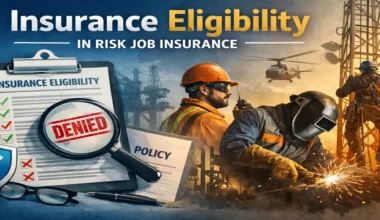
Insurance eligibility for high-risk jobs is often misunderstood. Many high-risk workers assume insurance eligibility is automatic. If you work full-time, earn a steady income, and apply for coverage, it feels reasonable to expect insurance to work the same way it does for everyone else.
In dangerous jobs, that assumption often breaks down.
Construction workers, offshore crews, industrial operators, transport workers, and contract laborers frequently discover that eligibility rules are more complex than expected. Coverage may be restricted, delayed, or offered with conditions that were never clearly explained at the beginning.
These outcomes are not random. They are the result of how insurance systems determine eligibility when work itself carries higher risk.
This guide explains how insurance eligibility is experienced and applied in practice for high-risk jobs, why dangerous work changes expectations, and what insurers are evaluating when deciding whether coverage can exist.
This guide is part of the broader risk job insurance system explained, which explains how insurance rules, eligibility, underwriting, and claims behavior change when work involves elevated risk.
What Insurance Eligibility for High-Risk Jobs Really Means
Eligibility is not the same as approval.
In practice, eligibility refers to whether insurers are willing to consider coverage at all under certain conditions. It answers the question:
Can this risk be insured under these conditions?
Approval comes later and determines the exact terms, limits, exclusions, and pricing.
For high-risk workers, confusion often arises because eligibility feels binary; either you qualify or you don’t. In reality, eligibility exists on a spectrum. Many workers are eligible for coverage, but not always under standard rules.
Understanding this distinction helps explain why insurance outcomes can feel inconsistent or surprising.
Why High-Risk Jobs Change Eligibility Rules
According to global occupational injury and illness data published by the International Labour Organization, hazardous work environments experience higher injury severity and longer recovery periods, which directly affects how insurers set eligibility thresholds.
Insurance systems are built around predicting future risk.
When a job increases the likelihood of injury, illness, disability, or death, insurers must account for both how often claims may occur and how costly those claims could be. High-risk work changes both factors at the same time.
Compared to average-risk jobs, dangerous work often involves:
-
Greater exposure to injury
-
More severe outcomes when accidents occur
-
Longer recovery periods
-
Higher chance of permanent impairment
Because of this, insurers cannot apply the same eligibility thresholds they use for low-risk roles. Doing so would make coverage unsustainable.
This does not mean high-risk workers are uninsurable. It means eligibility rules must adapt to reflect different risk patterns.
Dangerous work changes eligibility thresholds for reasons that are explored more broadly in our guide on why high-risk jobs require special insurance rules.
The Two Core Factors Insurers Evaluate
When determining eligibility in practice, insurers tend to focus on two broad areas: occupational risk and personal risk.
Occupational Risk
Occupational risk relates to the work itself. Insurers look closely at:
-
Daily job duties
-
Physical demands
-
Use of machinery or tools
-
Work environment (industrial, remote, offshore, transport-based)
-
Frequency of hazardous tasks
The more frequent and severe the exposure, the more eligibility rules tend to change.
We explore how these risks are measured in detail in our guide on medical risk vs occupational risk in underwriting.
Personal Risk
Personal risk refers to the individual, not the job. This includes:
-
Age
-
Health history
-
Pre-existing conditions
-
Past injuries or illnesses
For high-risk workers, personal and occupational risks interact. A physically demanding job combined with existing health limitations may affect eligibility more than either factor alone.
Understanding insurance eligibility for high-risk jobs helps workers avoid false assumptions about coverage.
Why Job Duties Matter More Than Job Titles
One of the most common sources of eligibility confusion is job titles.
Insurers do not rely on titles because titles are unreliable indicators of risk. The same title can describe very different work depending on the employer, industry, or environment.
Two people may both be called “technicians” or “operators,” but if one regularly performs hands-on hazardous tasks and the other works primarily in monitoring or supervisory roles, their eligibility outcomes may differ.
This is why insurers ask detailed questions about what you actually do, not just what your role is called. Incomplete or simplified descriptions often lead to eligibility issues later.
Common Eligibility Outcomes for High-Risk Workers
These outcomes reflect how eligibility rules are applied in real cases, not the full set of formal eligibility requirements used by insurers.
Eligibility decisions are rarely all-or-nothing. Common outcomes include:
Standard acceptance
Coverage is offered under typical terms, often for lower-risk roles within hazardous industries.
Acceptance with restrictions
Coverage is offered but with limitations related to specific duties or environments.
Acceptance with exclusions
Certain risks or activities are excluded from coverage, even though the policy is active.
Postponement
Coverage is delayed until certain conditions change, such as recovery from injury or stabilization of health.
Decline
Coverage is not offered when risk exceeds what the insurer can reasonably manage.
These outcomes can sometimes feel like rejection, which is why we explain what it actually means when high-risk workers are declined, restricted, or postponed.
Why Some Workers Are “Eligible” but Still Face Limits
Many high-risk workers assume eligibility means full protection.
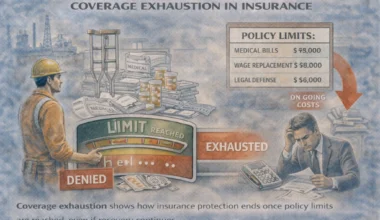
In reality, eligibility only determines whether coverage can exist. The terms of that coverage are shaped by exclusions, definitions, and conditions that follow.
This is why workers may feel eligible but still encounter:
-
Narrow definitions of disability
-
Exclusions related to specific job tasks
-
Limits on benefit duration or amount
These limits are part of how insurers manage exposure in dangerous work, not signs of unfair treatment.
Employer Coverage vs Personal Eligibility
Employer-provided insurance often uses broader eligibility rules because risk is spread across a group. Personal insurance evaluates individuals more closely.
This difference explains why workers may feel adequately covered through work but face stricter eligibility when applying for personal policies. Changes in employment, job duties, or contracts often expose this gap.
Understanding the difference helps set realistic expectations when moving between employer and personal coverage.
How Eligibility Fits into Risk Job Insurance as a System
Insurance eligibility for high-risk jobs is governed by formal underwriting rules and approval gates, which are explained in detail in eligibility requirements for risk job insurance.
Eligibility is the first gate in the risk job insurance system.
It influences:
-
How policies are underwritten
-
What exclusions appear
-
How claims are evaluated
Eligibility decisions shape everything that follows. This is why understanding eligibility comes before deeper discussions of underwriting, pricing, or claims.
When you understand insurance eligibility for high-risk jobs, the entire system becomes clearer.
Conclusion: Eligibility Is About Risk Alignment, Not Judgment
High-risk work does not make insurance impossible. It makes eligibility more specific.
Eligibility rules exist to align coverage with real-world risk, not to punish workers in dangerous jobs. Understanding how eligibility is determined helps reduce confusion, avoid false assumptions, and explain why insurance behaves differently when work itself carries greater danger.
If you work in a dangerous job, insurance eligibility can be confusing. This guide explains how insurers decide who qualifies, why high-risk jobs are treated differently, and what outcomes workers should realistically expect. These eligibility outcomes later influence exclusions, definitions, and benefit limits, which are explained separately within the risk job insurance system.
This perspective helps workers better understand how eligibility fits into the broader risk job insurance system.