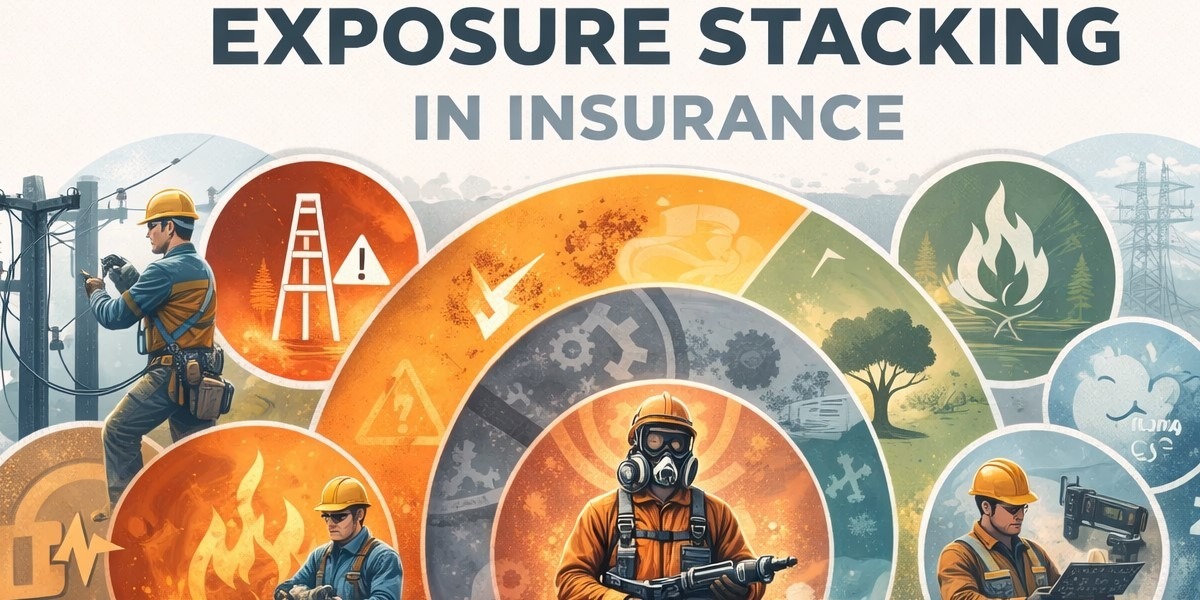
Exposure stacking is the way insurance systems combine multiple sources of occupational risk into a single cumulative risk profile that determines how a worker is classified, priced, restricted, or excluded.
It is not about one hazard.
It is about how many hazards exist at the same time, and how they interact.
For high-risk workers, insurance rarely evaluates danger in isolation. It evaluates stacked exposure.
What Exposure Stacking Means in Insurance
Insurance systems do not ask, “Is this job dangerous?”
They ask, “How many independent risk factors are present at once?”
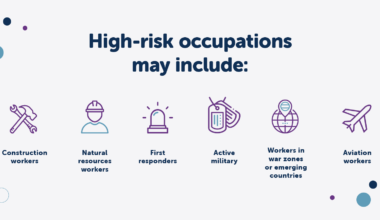
Each of the following creates exposure:
-
Physical strain
-
Height or fall risk
-
Machinery
-
Electrical systems
-
Explosives or pressure
-
Weather or environmental conditions
-
Remote or offshore locations
-
Long shifts or fatigue
When more than one of these exists together, they do not simply add, they compound.
Occupational safety agencies such as the National Institute for Occupational Safety and Health document how multiple workplace hazards interact to increase injury and fatality risk.
Why High-Risk Jobs Are Hit Hardest
High-risk jobs are not defined by one danger.
They are defined by multiple dangers occurring simultaneously.
A roofer is not just at height.
They are at height, on unstable surfaces, using tools, exposed to weather, and subject to fatigue.
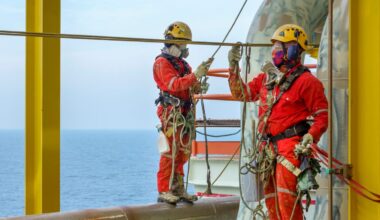
An offshore worker is not just in a remote location.
They are remote, surrounded by machinery, operating under pressure systems, exposed to weather, and far from medical care.
Offshore work is a common example of exposure stacking, where remote location, hazardous tasks, and limited emergency access are evaluated together rather than in isolation.
This interaction is explained in detail in offshore life insurance for high-risk jobs
Insurance systems see these layers as stacked exposure, not individual risks.
How Exposure Stacking Drives Insurance Outcomes
When exposure stacks:
-
Claim frequency rises
-
Injury severity increases
-
Recovery times extend
-
Losses become correlated
These patterns make standard insurance pools unstable.
So instead of adjusting a single factor, insurers change how the entire job is treated.
This is why many high-risk workers face:
-
Higher premiums
-
Coverage limits
-
Exclusions
-
Eligibility gating
All of those outcomes begin with exposure stacking.
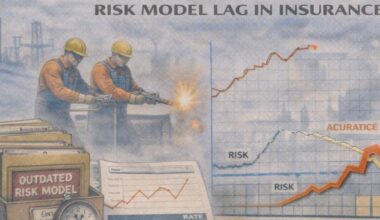
When exposure stacks beyond a certain threshold, insurers adjust the job’s occupational risk classification rather than evaluating individual hazards.
Why Skill and Safety Do Not Offset Stacked Exposure
Workers often believe training, certification, or safety records will reduce insurance restrictions.
But exposure stacking is structural.
Even the safest worker cannot remove:
-
Gravity
-
Machinery
-
Environment
-
Location
So the stack remains.
Insurance systems classify the job, not the individual.
As exposure stacking increases, many workers are pushed toward eligibility gating, where access to standard insurance markets is blocked entirely.
In the Risk Job Insurance System
Exposure stacking explains why:
-
Some jobs are priced higher than others
-
Some are pushed into specialty markets
-
Some are gated out entirely
It is one of the core mechanisms that turns occupational danger into insurance restriction.
Without understanding exposure stacking, high-risk insurance outcomes appear arbitrary.
With it, they become predictable.