Introduction: When Work Stops Before You Expect It
On a typical workday, a construction worker climbs scaffolding, an offshore technician boards a helicopter to a remote platform, and a truck driver settles in for a long overnight haul. These jobs are demanding, physical, and often dangerous, but for the people doing them, the risks feel routine. Injuries and illness are things that happen to other workers, or so it seems.
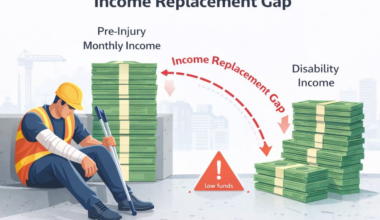
What many high-risk workers only realize later is how quickly income can disappear when work stops. A fall, a machinery accident, a repetitive strain injury, or even a serious illness can take someone off the job for months or permanently. When paychecks stop, bills don’t.
This is where disability insurance for high-risk workers comes in. It exists to protect income when a worker is still alive but temporarily or permanently unable to work due to injury or illness. Yet for many people in high-risk jobs, disability insurance is one of the least understood forms of protection.
This guide explains what disability insurance is, how it works, and why it matters differently for people in high-risk occupations. It’s written for beginners with no insurance background required.
Why Income Loss Is a Real Concern in High-Risk Jobs
High-risk work often pays more than desk-based roles, but it also requires significant physical ability. When your body is your livelihood, even a moderate injury can stop income completely.
Everyday realities for high-risk workers include:
-
Limited ability to “work around” injuries
-
Fewer light-duty or remote alternatives
-
Pay structures based on shifts, contracts, or active duty.
-
Long recovery times after accidents or illness
Many workers assume they’ll “figure something out” if they can’t work. In practice, income gaps appear quickly, sometimes within weeks.
Disability insurance exists specifically to address this gap.
What Disability Insurance Means (Plain Language)

At its simplest, disability insurance is income protection.
It pays part of your income if you become injured or ill and cannot work for an extended period of time. It does not require death (that’s life insurance), and it does not depend on the injury happening at work (that’s workers’ compensation).
Instead, disability insurance focuses on one question:
Can you still earn your income the way you usually do?
If the answer is no because of a covered medical condition, disability insurance may replace a portion of your lost income.
At its core, disability insurance exists to replace part of a worker’s income when illness or injury prevents them from working, a concept commonly referred to as disability income replacement.
How It Differs from Life Insurance
Life insurance pays benefits to beneficiaries upon the insured’s death. Disability insurance pays money to you, while you’re alive, when work stops.
How It Differs from Workers’ Compensation
Workers’ compensation usually applies only to injuries that happen on the job and often has strict limits. Disability insurance can cover injuries or illnesses that occur on or off the job, depending on the policy.
What Makes a Job “High-Risk” to Insurers
Insurance companies don’t classify risk solely by job title. Two people with the same title can face very different risks depending on what they actually do.
Duties Matter More Than Job Titles
For example:
-
A “technician” working in an office environment is very different from one working on offshore platforms.
-
A “driver” hauling light goods locally faces different risks than one driving heavy equipment across long distances.
-
A “construction worker” doing finishing work faces different hazards than one working at height.
Insurers look at daily duties, not just labels.
Common High-Risk Industries
While classifications vary, high-risk jobs often include:
-
Construction and civil engineering
-
Offshore oil and gas work
-
Mining and quarrying
-
Industrial manufacturing
-
Transport and logistics
-
Maritime and marine trades
-
Hazardous or heavy machinery roles
These jobs involve greater chances of injury, long-term physical strain, or environmental exposure. Construction work, in particular, highlights how physical demands interact with disability definitions, which is explored in detail in how disability insurance treats construction workers.
Why Risk Classification Matters
Risk classification affects:
-
Whether coverage is available
-
How benefits are structured
-
What limitations apply
This is why disability insurance for high-risk jobs is structured differently from policies designed for office workers.
How Disability Insurance Works for High-Risk Workers
While details vary, most disability insurance policies share the same basic structure.
Income Replacement
Disability insurance replaces a percentage of your income, not the full amount. This is intentional. The goal is to help cover essential living expenses without exceeding prior earnings.
Benefit Periods
The benefit period is the length of time during which payments can continue. This could be:
-
A fixed number of years
-
Until recovery
-
Until retirement age
For high-risk workers, benefit periods are often more carefully defined.
Waiting Periods
The waiting period (also called the elimination period) is how long you must be unable to work before benefits begin. This might be weeks or months.
Shorter waiting periods mean faster support, but usually come with higher costs or stricter terms.
Policy Structure (Overview Only)
At a high level, disability policies define:
-
What counts as a disabling condition
-
How work ability is measured
-
When payments start and stop
This guide introduces these ideas without going into technical detail. Later articles in this pillar will explore them more deeply.
How Disability Insurance for High-Risk Jobs Differs from Standard Policies
Disability insurance for high-risk workers isn’t just a more expensive version of standard coverage—it often works differently.
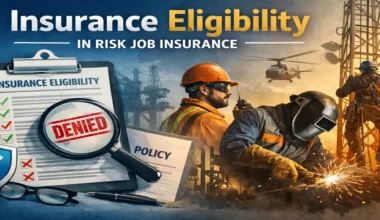
Eligibility Differences
Some high-risk roles may face:
-
More detailed job assessments
-
Medical history reviews
-
Restrictions based on duties
Coverage may still be possible, but the evaluation process is usually stricter.
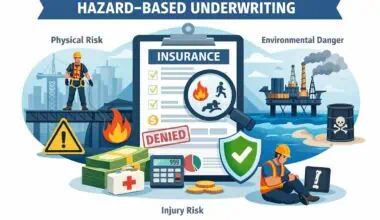
Pricing Factors (High Level)
While this guide avoids pricing specifics, it’s essential to understand that insurers consider:
-
Physical risk
-
Injury frequency
-
Recovery timelines
These factors influence how policies are structured, not just how much they cost.
Coverage Limitations (Introduction Only)
High-risk policies may include:
-
Modified definitions of work ability
-
Specific exclusions related to duties
-
Limits on certain types of injuries
These differences are not flaws; they reflect how insurers manage risk in physically demanding roles.
Common Misunderstandings Beginners Have
“Workers’ Compensation Will Cover Everything”
Workers’ compensation usually applies only to workplace injuries and often provides limited income replacement. It may not cover illnesses, off-duty injuries, or long-term gaps.
“If I Can Work Any Job, I Won’t Qualify”
Disability isn’t always about being unable to work at all. Many policies focus on whether you can perform your usual occupation or earn a similar income.
“Employer Coverage Is Enough”
Employer-provided disability coverage is often:
-
Limited in duration
-
Tied to employment status
-
Insufficient for long-term protection
It may help, but it’s rarely complete.
Real-World Examples
Construction Worker Injury Scenario
A construction worker suffers a severe knee injury after a fall. Surgery is successful, but recovery takes months. Light office work isn’t available, and climbing or lifting is impossible. Disability insurance may replace part of the worker’s income during recovery.
Offshore or Industrial Worker Illness Scenario
An offshore technician develops a chronic respiratory condition unrelated to a specific accident. Workers’ compensation doesn’t apply. Disability insurance may help bridge the income gap while treatment continues.
Transport or Heavy Machinery Role Example
A heavy equipment operator develops nerve damage in the hands after years of exposure to vibration. The condition isn’t immediately disabling, but eventually prevents safe operation. Disability insurance may apply once work capacity is reduced.
Who This Type of Insurance Is Designed For
Who Benefits Most
-
Workers whose income depends on physical ability
-
Roles with limited light-duty alternatives
-
Contract or shift-based workers
Who May Need Additional Review
-
Workers with mixed duties
-
Supervisory roles that blend physical and administrative work
-
Seasonal or intermittent workers
When This Guide May Not Fully Apply
This guide is educational and general. Some roles involve unique legal or contractual arrangements that require individual review.
What This Guide Does and Does Not Cover
What It Covers
-
Core concepts
-
Plain-language explanations
-
High-level structure
What It Does Not Cover (Yet)
-
Policy comparisons
-
Detailed eligibility rules
-
Claims processes
-
Specific contract language
These topics are addressed in other cluster articles within the Disability Insurance for High-Risk Workers pillar.
Beginner-Friendly FAQs
Is disability insurance only for workplace accidents?
No. It often covers illness and off-the-job injuries.
Does disability mean permanent injury?
Not always. Many claims are temporary.
Can part-time workers qualify?
Sometimes, depending on policy terms.
Is this the same as health insurance?
No. Health insurance pays medical bills; disability insurance replaces income.
Do all high-risk workers qualify?
Eligibility depends on duties, health, and policy design.
Conclusion: Understanding Comes Before Decisions
Disability insurance for high-risk workers exists because physically demanding jobs carry real income risk. It’s not about fear or worst-case thinking; it’s about understanding how income protection works when work stops unexpectedly.
Before comparing options or considering details, the most crucial step is understanding the foundation. This guide provides that foundation. The next step is learning how policies are structured, how coverage definitions work, and how claims are evaluated, topics covered in the articles that follow.
Knowledge comes first. Decisions come later.