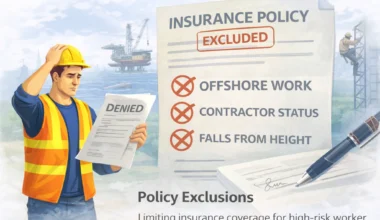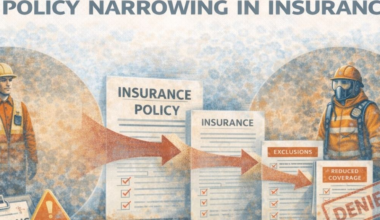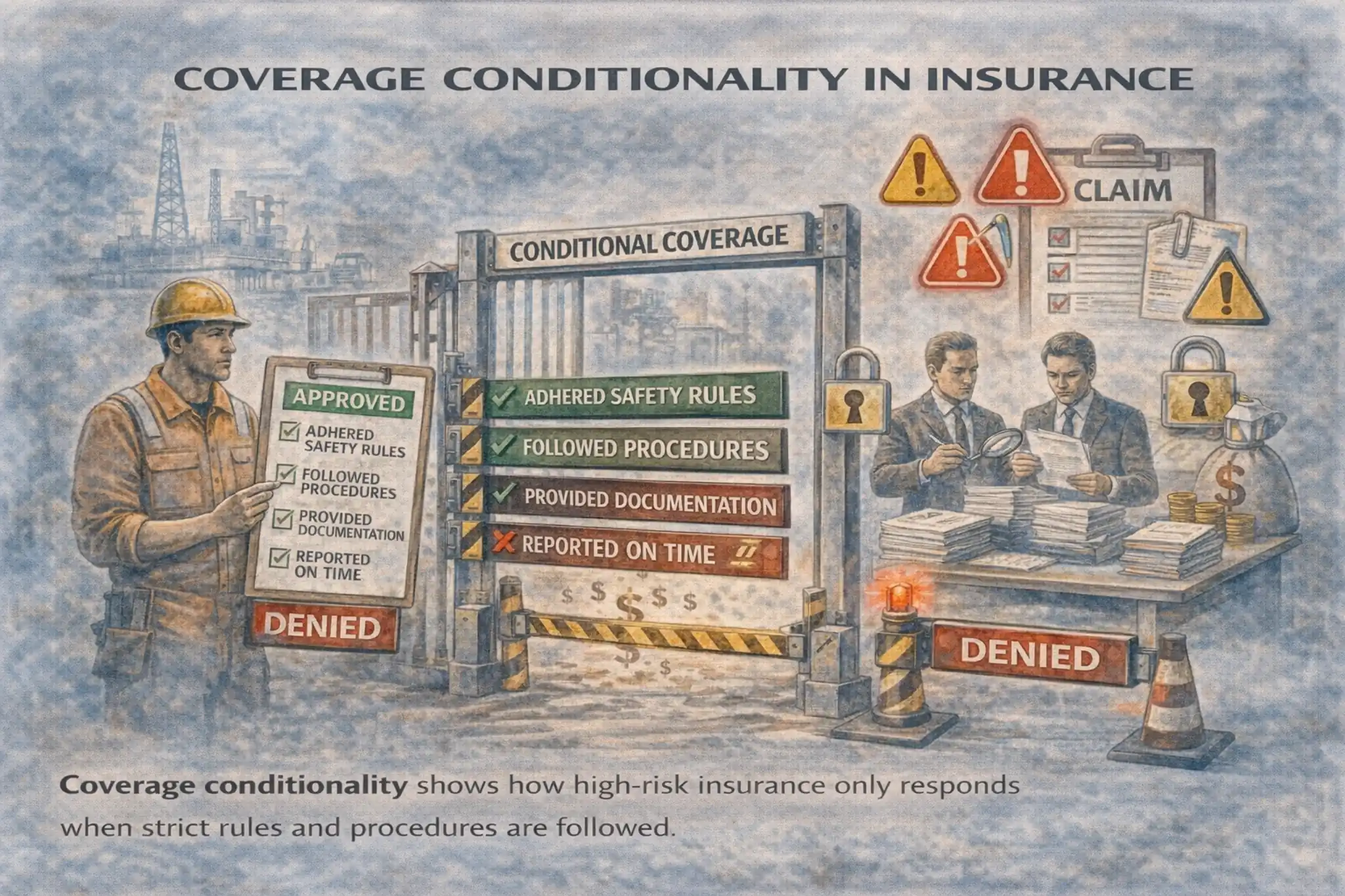
Coverage conditionality refers to the dependence of insurance protection on strict compliance with rules, behaviors, documentation, and circumstances, especially in high-risk occupations.
It is not about having coverage.
It is about keeping it valid.
For high-risk workers, coverage often exists only if everything goes exactly right.
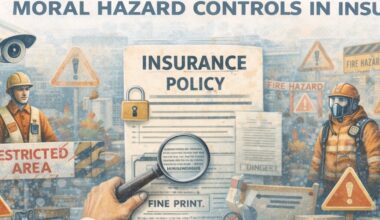
Many of these requirements function as moral hazard controls, allowing insurers to limit behavior-driven losses.
What Coverage Conditionality Means
Some insurance responds automatically.
High-risk insurance rarely does.
Instead, coverage is conditional on factors such as:
-
Following approved work methods
-
Using specified safety equipment
-
Reporting incidents within narrow timeframes
-
Maintaining exact job descriptions
-
Complying with policy procedures
If any condition fails, coverage may weaken or disappear.
That dependency is coverage conditionality.
When conditions are enforced as hard thresholds, they create coverage cliff effects where protection disappears instantly rather than gradually.
Why High-Risk Jobs Face More Conditions
High-risk work carries:
-
Severe losses
-
Disputed causation
-
Large payouts
To control this, insurers protect themselves by attaching conditions.
The higher the risk, the more conditions must be met for coverage to respond.
How This Affects Workers
Coverage conditionality means:
-
Small procedural errors can void claims
-
Coverage depends on paperwork, not injury
-
Protection feels fragile and technical
Workers believe they are insured until a condition is missed.
When conditions are missed or disputed, claims leakage increases as coverage is reduced or denied on technical grounds.
Coverage conditionality plays a major role in offshore workers’ compensation claims, where missed reporting deadlines, disputed job duties, or procedural non-compliance can invalidate otherwise legitimate injury claims.
Why This Feels Like a Trap
Conditions are usually buried in policy language.
They are enforced only after a claim occurs.
The worker learns the rules when it is too late.
In the Risk Job Insurance System
Coverage conditionality explains why:
-
Claims fail on technical grounds
-
High-risk insurance feels unreliable
-
Workers lose protection despite valid policies
It is how insurers turn risk control into enforceable rules.
International regulators such as the International Association of Insurance Supervisors outline how insurers apply policy conditions and compliance standards.