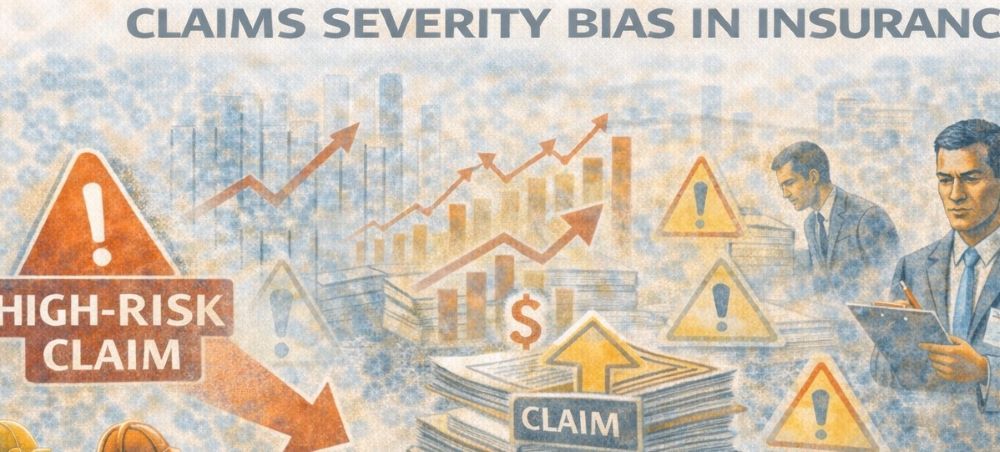
Claims severity bias is the tendency of insurance systems to treat claims from high-risk jobs as more serious, costly, and suspicious before they are even reviewed.
It is not about your injury. It is about the job you do.
For high-risk workers, every claim is assumed to be expensive.
What Claims Severity Bias Means
When a claim comes from:
-
Construction
-
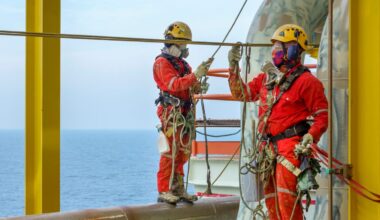
Offshore
-
Mining
-
Industrial work
insurers expect:
-
Higher medical costs
-
Longer recovery
-
Greater disability
-
Larger payouts
So the claim enters the system flagged as severe.
That expectation is claims severity bias.
Why High-Risk Jobs Trigger It
High-risk work produces:
-
Serious injuries
-
Complex causation
-
Expensive treatment
Over time, insurers build models that assume these patterns will repeat.
So even small injuries are treated like big ones.
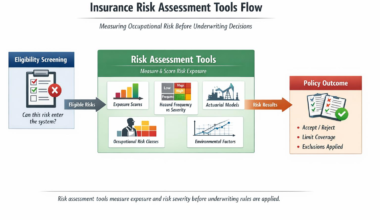
Actuarial organizations such as the Society of Actuaries publish models used to estimate claim severity across different occupations.
How This Affects Workers
Claims severity bias means:
-
More investigation
-
More documentation
-
More skepticism
-
Slower payment
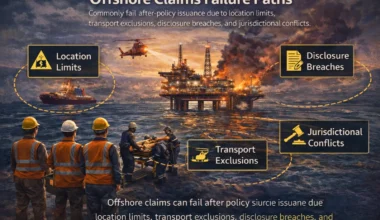
The same injury that passes quickly in a low-risk job may be heavily scrutinized here.
Why This Feels Personal
Workers feel targeted.
The system is just following statistical expectations.
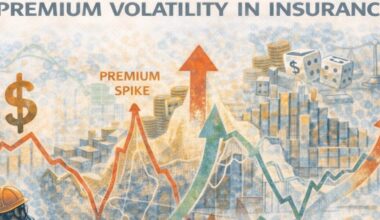
Insurers expect high payouts partly because of loss correlation, where one event can generate many serious claims at once.
In the Risk Job Insurance System
Claims severity bias explains why:
-
High-risk claims are harder
-
Delays are common
-
Disputes escalate quickly
It is one of the invisible forces behind claims friction.
Because of claims friction, high-risk claims already move slowly, and severity bias makes that resistance even stronger.
See the full Risk Job Insurance definitions for related system-level concepts.